
Healthcare is shifting toward precision, where real-time analytics drive timely medical actions. Every insight drawn from digital systems empowers providers to anticipate, not just react. By studying treatment results and behavior indicators, clinicians gain deeper visibility. This clarity grows stronger when combined with patient experience data, forming a genuine bridge between care delivery and outcome improvement.
Data-Driven Insights Strengthening Clinical Awareness
Modern healthcare depends on data patterns that reveal opportunities early. Structured insights help physicians respond quicker and design individualized care strategies. These insights reduce delays, improve coordination, and promote health stability over time.
Integrating Predictive Dashboards For Early Action
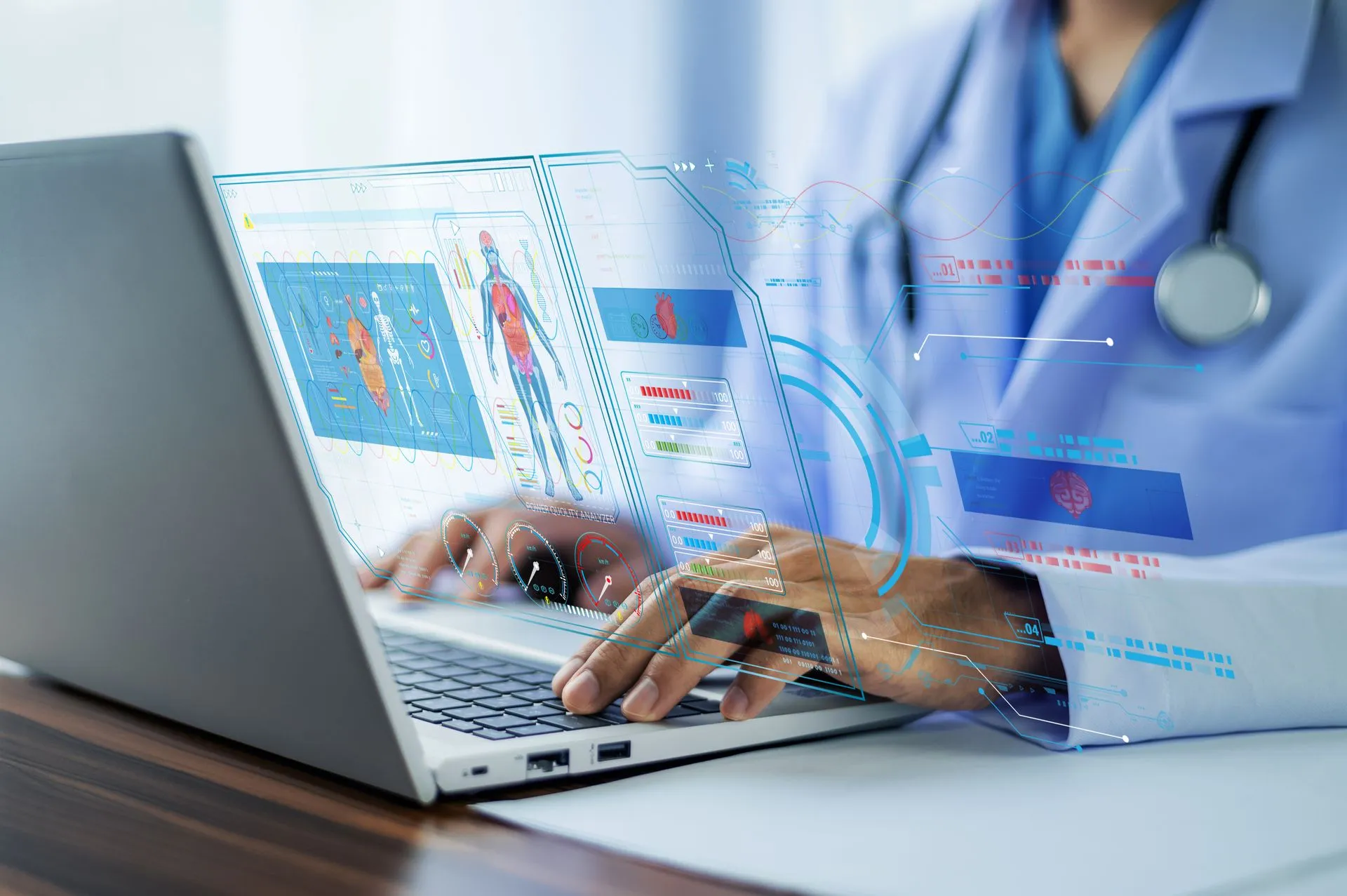
Predictive dashboards interpret large datasets to forecast possible patient risks. Through visual trends and actionable parameters, caregivers can intervene before conditions escalate.
- Alert systems showing potential vital sign declines
- Forecast models guiding medication adjustment timelines
- Predictive mapping supporting emergency readiness levels
- Workflow tracking improving inter-department responsiveness
Streamlined dashboards promote transparent collaboration between teams and specialists. That unity translates into real preventive results rather than reactive treatment cycles.
How Does Real-Time Data Transform Patient Support?
Real-time monitoring reshapes communication by making patient progress visible instantly. Nurses, assistants, and doctors gain synchronized views that prevent unnoticed symptom changes and delays in follow-up.
Immediate access to updates also nurtures stronger patient relationships, building trust in clinical attentiveness. Continuous data visibility directly enhances safety across diverse care settings.
Utilizing Insights For Enhanced Coordination
Effective care coordination begins with reliable digital interpretation. Data visualizations guide nurses, physicians, and specialists through shared interfaces for better planning. The integration of patient experience data enriches those interpretations, offering a deeper understanding of satisfaction and treatment consistency.
- Shared records improving transition between service stages
- Targeted analytics predicting discharge success rates
- Experience surveys mapping comfort and communication gaps
- Action reports refining treatment frequency adjustments
When analyzed thoughtfully, these layers of information lead to unified strategies supporting improved long-term outcomes.
What Steps Can Clinicians Take For Better Care Delivery?
Clinicians can start with concise, goal-based tracking routines. Prioritizing metrics tied to preventive outcomes keeps staff aligned and committed to steady progress.
Small, team-driven digital updates enhance transparency during shift changes or patient transfers. Measured consistency in follow-up ensures preventive care becomes standard practice, not occasional protocol.
Why Is Data Integration Crucial For Patients?
Patients benefit most when every department communicates through coordinated systems. Synced information prevents repeated diagnostics, avoids conflicting medications, and shortens hospital stays naturally.
That seamless continuity supports patient confidence in the healthcare journey, showing that interventions are timely and thoughtfully guided by reliable analytics.
Data Innovation Leading To Preventive Care Efficiency
Healthcare’s real momentum now emerges from data that acts before crises develop. Predictive analytics and interactive dashboards together bring clarity, speed, and reliability to hospital outcomes. Coordinated insight-sharing across teams ultimately redefines how proactive care becomes achievable every single day.