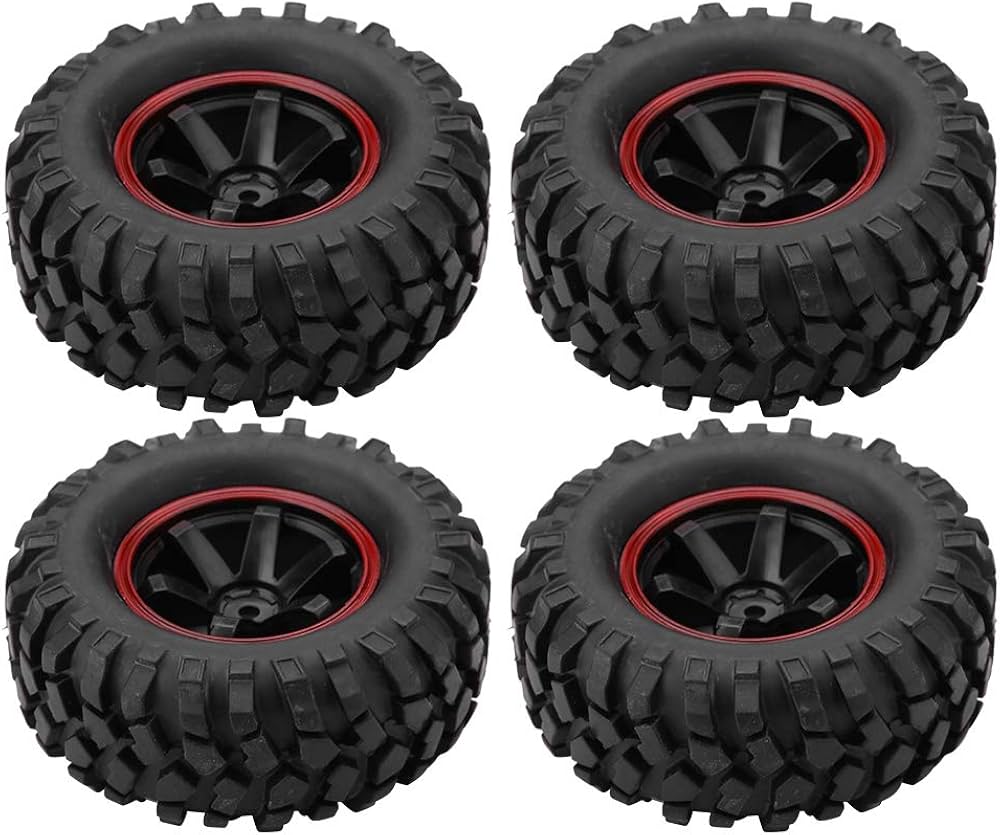
Modern road demands continue rising as surfaces challenge control and balance. Drivers rely on responsive grip to maintain direction during changing conditions. Careful comparisons often begin as tire reviews reveal how grip and balance respond under pressure.
How Grip Enhances Road Stability?
Grip improves stability by increasing surface contact during motion, allowing the vehicle to remain composed as direction changes occur. When contact remains consistent, directional shifts feel controlled rather than abrupt, even under demanding road pressure. Performance-focused designs maintain traction as speeds vary or loads change, helping drivers guide movement smoothly with reduced correction effort.
Tread Design Shapes Control
Tread design determines how surface contact responds across different road textures and conditions. Patterns guide movement, manage friction, and influence turning confidence, shaping how control feels during both straight paths and directional changes.
Directional Pattern Influence
Clear directional layouts guide water and debris away from the surface, improving contact during turns and sudden adjustments.
- Channels redirect surface interference efficiently
- Edges maintain controlled corner response
- Grooves support balanced forward movement
These characteristics encourage predictability across mixed driving demands, helping drivers sense smoother reactions whenever steering input changes.
Asymmetrical Surface Balance
Split tread patterns divide responsibilities between inner and outer sections, with each side contributing differently to handling consistency.
- Outer blocks support corner pressure control
- Inner sections assist surface contact stability
- Variable spacing reduces unwanted vibration feedback
This balance supports composed behavior during extended road use, allowing confidence to build as handling feels controlled rather than reactive.
Why Stability Matters During Speed?
Stability matters because higher speeds magnify even minor surface changes, making control more sensitive to road conditions. Without dependable grip, small variations can quickly affect direction and balance. Performance tires manage those changes through reliable surface interaction, allowing smoother responses without constant steering correction.
Materials And Patterns Working Together
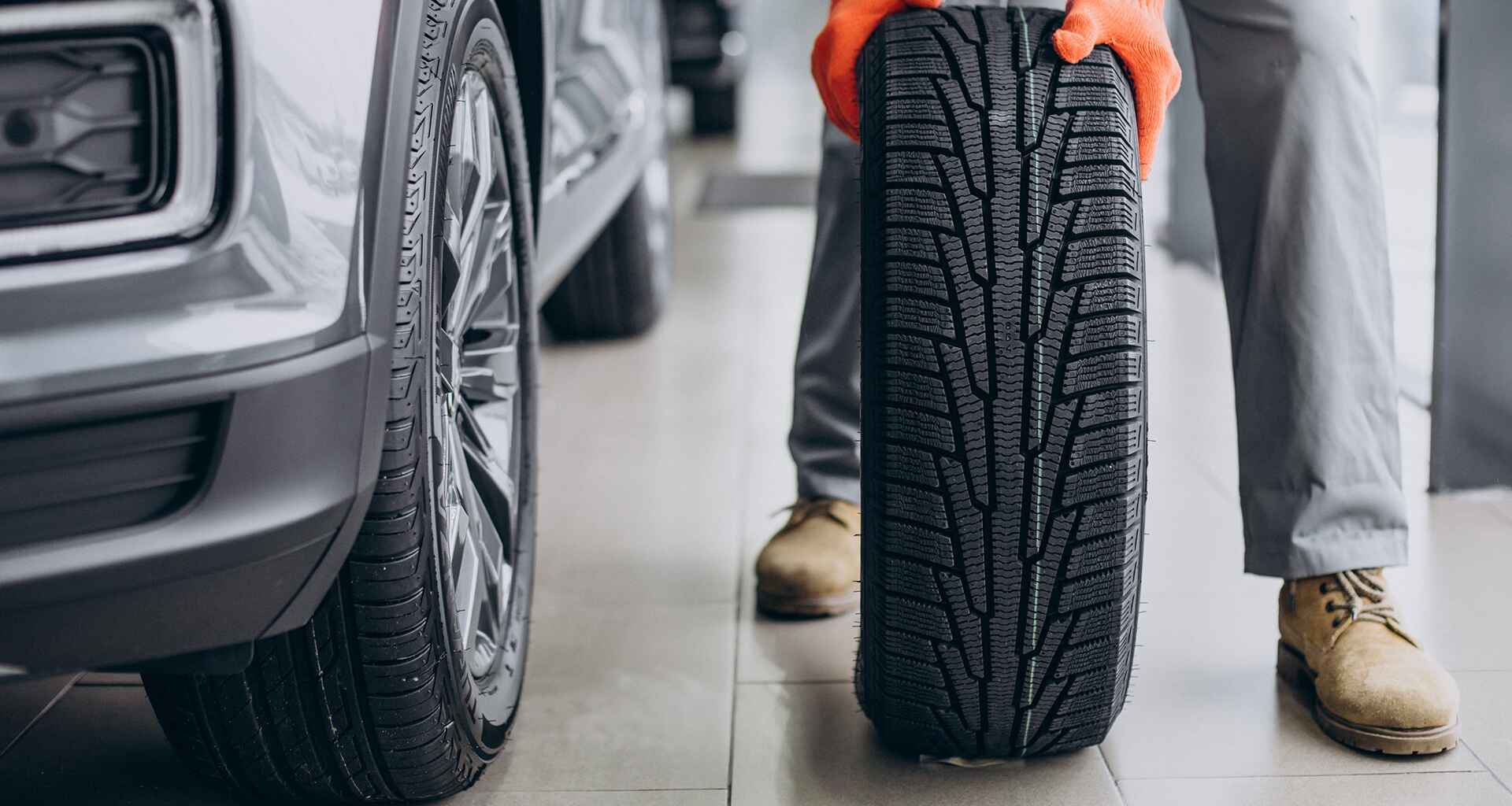
Material composition and surface design function together to support reliable handling under pressure. Their interaction defines how force transfers between tire and road, shaping overall response quality.
Compound Composition Roles
Material blends influence responsiveness and surface conformity, balancing flexibility with shape retention.
- Compounds manage pressure distribution evenly
- Surface flexibility supports consistent road contact
- Structure limits distortion during directional shifts
Material performance becomes clearer as detailed tire reviews connect surface contact with predictable handling behavior, helping drivers benefit from balanced control across varied road demands.
Structural Reinforcement Effects
Internal reinforcement supports external pattern efficiency by preserving shape under load.
- Reinforced layers preserve contact consistency
- Sidewall strength limits unwanted flex movement
- Shape retention improves steering precision feel
Together, these elements support balanced movement without instability, keeping road feedback controlled rather than abrupt.
Confidence Across Changing Road Conditions
Changing surfaces require tires that respond without hesitation, especially when grip demands shift unexpectedly. Reliable contact helps maintain direction and composure during varied driving moments. Drivers value that assurance when conditions change, supporting smoother decisions across demanding routes.