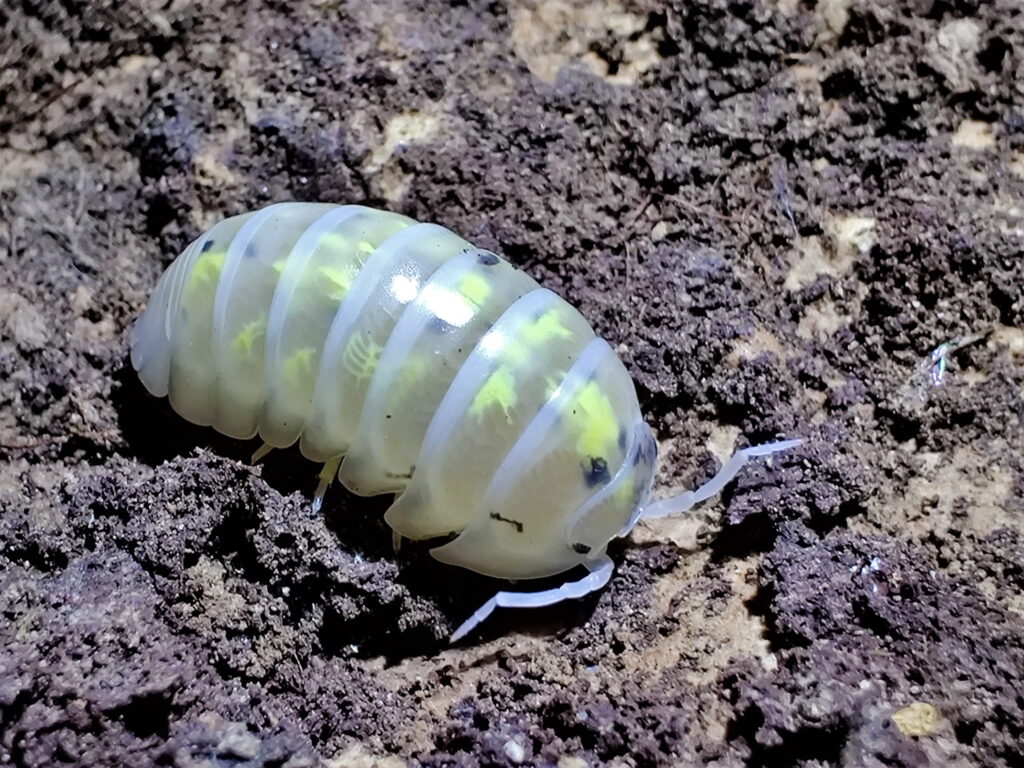
Soft green surroundings often appear more active when tiny crawling creatures move across damp surfaces quietly. Decorative glass habitats now include small living cleaners that support natural balance inside closed spaces. Many caretakers enjoy watching leaf movement created by tiny species beneath moss layers. Gentle surface activity also adds depth to plant displays without changing enclosure structure. Small habitat creatures continue gaining attention because they improve natural appearance through simple daily behaviour. Among popular varieties, rubber ducky isopods attract attention through unusual patterns that connect perfectly with decorative enclosure themes.
Gentle Movement Across Damp Corners
Slow movement beneath leaves creates active scenes inside enclosed setups. Tiny surface activity gives planted spaces a more natural appearance.
- Small crawling species maintain a cleaner, moist substrate throughout enclosed decorative displays
- Leaf sections remain active through regular underground movement beneath soft coverings
- Moist enclosure corners appear lively through gentle surface shifting patterns daily
- Decorative habitats gain a balanced structure from constant tiny cleaning activity below
Natural movement supports stronger visual balance inside planted display containers.
Soft Surface Activity Supporting Visual Appeal
Tiny ground dwellers improve enclosure appearance through quiet movement patterns. Their presence creates a natural rhythm within layered plant arrangements.
Calm Patterns Around Moss-Covered Areas
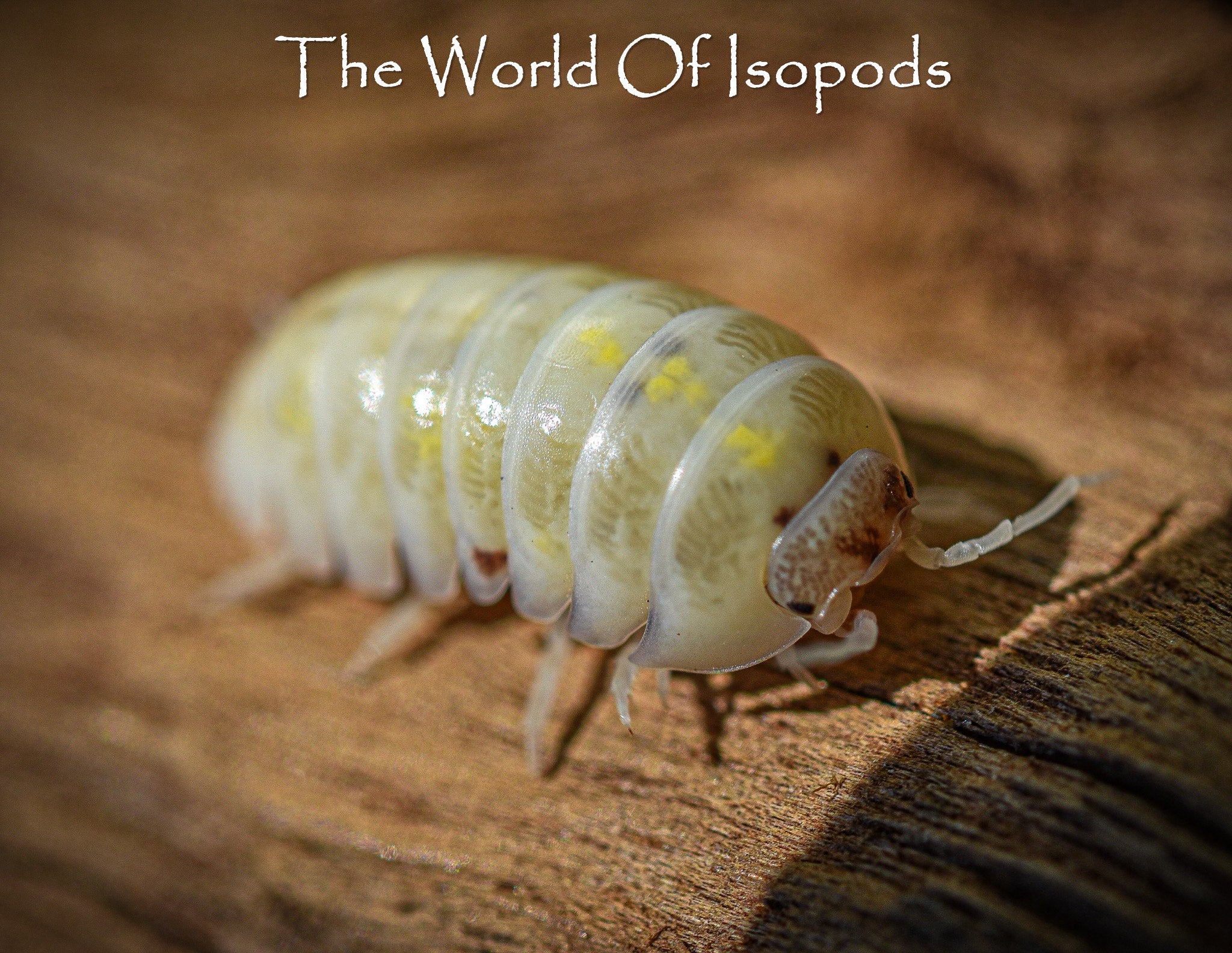
Moist moss sections become more attractive when small organisms move slowly nearby. Light surface activity helps decorative setups appear balanced through simple environmental motion. Many caretakers notice improved enclosure appearance after adding tiny habitat species beneath plant layers. Natural cleaning patterns also reduce unwanted material gathering around damp surfaces.
Tiny Shapes Beneath Decorative Layers
Rounded forms beneath soil coverings create subtle movement across enclosure surfaces. Quiet underground activity supports healthier enclosure conditions while improving visual structure naturally.
Hidden Life Supporting Moist Spaces
Tiny organisms remain active throughout shaded enclosure corners during daily cycles. Their movement improves airflow within soft substrate sections while reducing unwanted buildup slowly.
- Moist layers remain cleaner through regular underground movement patterns each day
- Decorative surfaces develop a stronger texture from active crawling behavior below coverings
- Small enclosure corners appear balanced through steady habitat cleaning routines, naturally
- Surface moisture spreads evenly beneath planted decorative sections without disturbance frequently
- Tiny cleaners reduce fallen material across enclosed habitat surroundings over longer periods
- Substrate sections remain softer through constant lower-layer movement activity daily
- Decorative displays gain depth from active rubber ducky isopods beneath moss sections
- Quiet habitat organisms support a stable enclosure appearance through natural recycling patterns
Balanced enclosure care becomes easier through steady underground cleaning activity.
Gentle Habitat Motion During Daily Cycles
Subtle crawling patterns help planted displays appear more active throughout the day. Tiny underground movement also supports stable moisture distribution across soft enclosure layers.
Natural Rhythms Supporting Decorative Displays
Enclosed plant setups benefit from small habitat creatures moving quietly below visible surfaces. Their activity creates a smooth environmental balance while reducing surface clutter naturally. Many caretakers prefer these tiny species because maintenance needs remain lower over longer periods. Decorative habitats also appear more realistic when movement continues beneath moss plus substrate sections.
Quiet Balance Across Living Displays
Small habitat creatures support cleaner surroundings through steady underground activity within decorative enclosures. Gentle movement patterns improve visual depth while helping damp surfaces remain balanced naturally. Planted setups also gain a stable structure through continuous cleaning beneath leaf coverings plus soft substrate layers. Caretakers often prefer simple habitat systems that remain active without constant adjustment. Consistent enclosure care depends more on stable conditions rather than perfect arrangements. Quiet natural motion continues shaping healthier planted displays through simple daily behaviour.
FAQ
- Why do tiny habitat creatures help decorative setups?They support cleaner surfaces plus natural movement.
- Do moist enclosures improve underground activity?Yes, Damp surroundings help steady movement patterns.
- Why are small crawling species popular now?They improve enclosure appearance naturally.
- Can tiny organisms reduce surface buildup?Yes, Natural cleaning activity supports balanced conditions.
- Do planted displays look better with movement?Yes, Gentle activity creates more natural surroundings.