Picking protection for an electrical system looks simple until something burns out. The truth is, most failures start with a small mistake in selection. The right surge protection device wiring diagram does more than stop voltage spikes it decides how stable your whole setup stays when the grid gets rough.
Why Selection Affects Both Safety And Performance
Not every SPD suits every system. Some handle lightning strikes; others just clean up small internal surges. When the rating is too low, the first big hit can blow the device apart. When it is too large, you end up paying more without gaining real benefit. The correct balance keeps protection smooth and performance steady.
Difference Between Nominal And Maximum Discharge Current
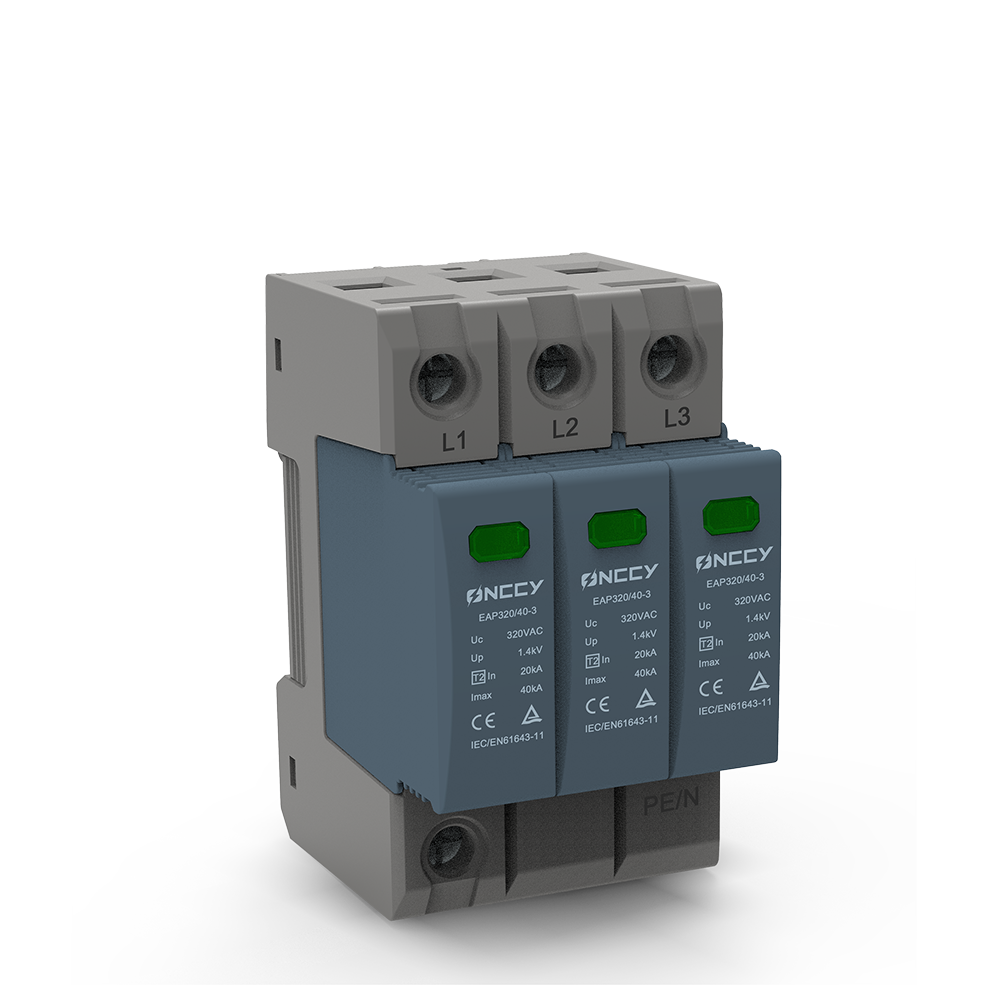
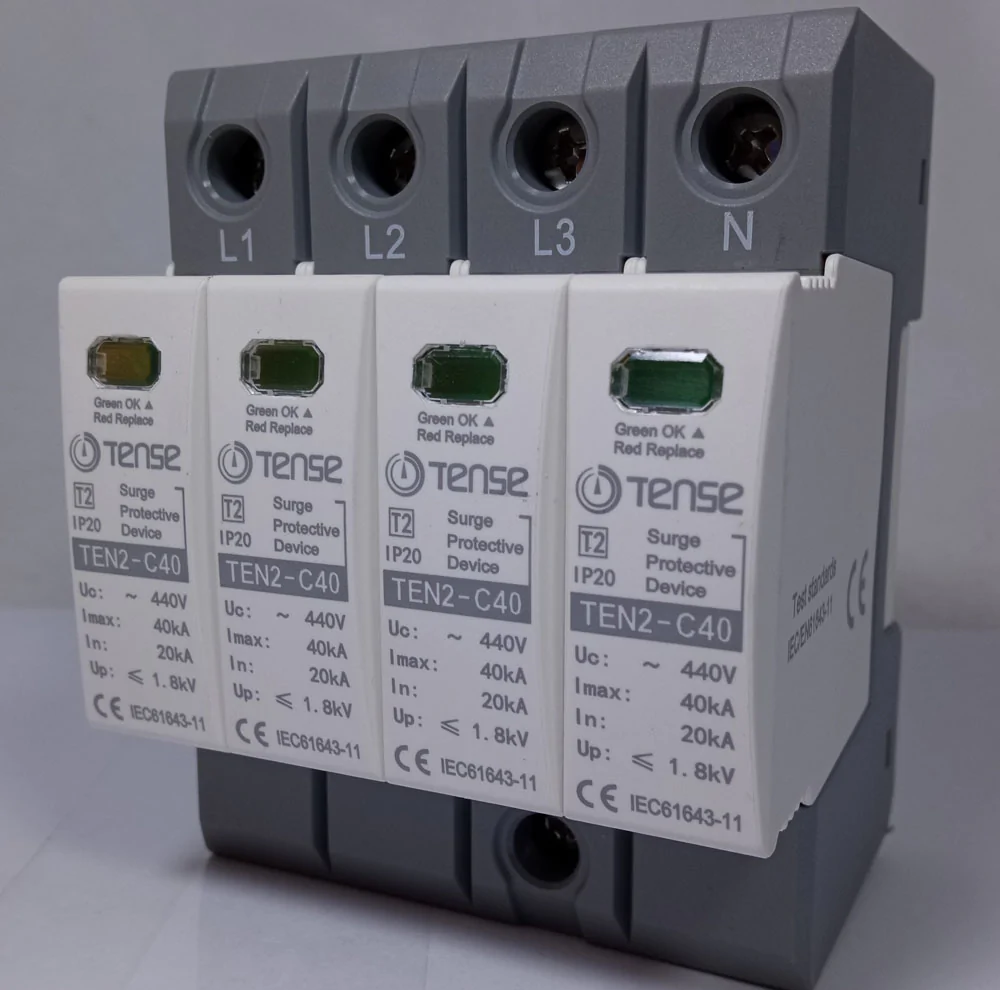
Two numbers appear on every SPD label nominal discharge current and maximum discharge current. People often skip them. Nominal means the level the device can face over and over. Maximum means the one big hit it can survive once. Pick too low, and it fails quietly during a storm; too high, and sensitivity drops. Professionals look for that middle range where safety meets efficiency.
Identifying Correct SPD Type For Your Application
There are three main protection stages.
- Type 1 sits at the service entry, blocking lightning energy before it travels further.
- Type 2 lives in the distribution panel, taking care of internal surges.
- Type 3 rests near equipment, catching the final residue.
A house may only need Type 2 and Type 3. An industrial site often stacks all three so each level weakens the surge a little more. Skipping one step leaves a weak spot that a single pulse can find.
Installation Space And Maintenance Access Planning
Think about where it will sit. An SPD buried behind wires cannot breathe or be checked easily. Leave clear access, short straight leads, and visible status windows. Overheated air, twisted cables, or long runs slow down reaction time. A clean layout saves trouble later when someone needs to replace a module in the dark with a flashlight.
How To Future-Proof Your System With Scalable SPD Options
Loads grow. Today’s clean office can become a small plant in a few years. Choose devices that let you upgrade instead of starting over. Modular SPDs with plug-in cartridges or expandable poles work best. They allow new protection levels without rewiring the entire panel. And when you add a single phase surge protector at the main entry points, the whole system stays safer and steadier. It becomes flexible enough to handle sudden spikes and ready for whatever the next storm brings.